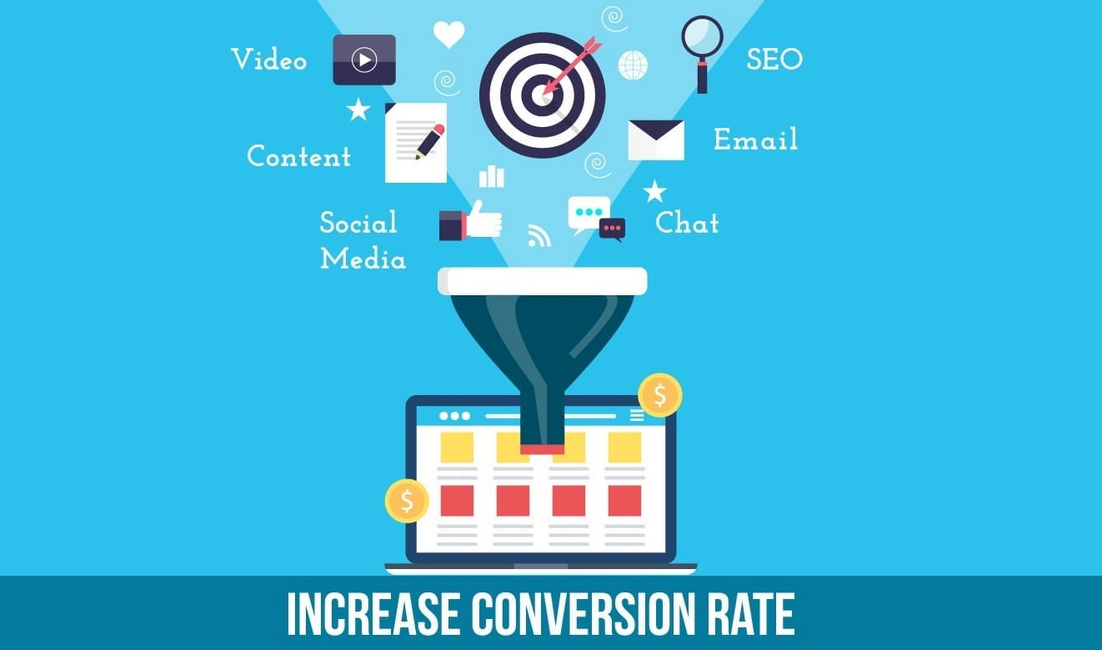
In today’s highly competitive digital landscape, driving traffic to your website is only half the battle. The real challenge lies in converting that traffic into meaningful actions—whether it’s making a purchase, signing up for a newsletter, or filling out a contact form. Conversion rate optimization (CRO) is the strategic process of increasing the percentage of users who take a desired action on your website.
This comprehensive guide explores proven online marketing techniques that can significantly improve your conversion rates, maximize ROI, and help your business grow sustainably.
What Is Conversion Rate Optimization (CRO)?
Conversion rate optimization refers to the systematic process of improving your website or marketing funnel to increase the likelihood that visitors will complete a desired action. This action, known as a conversion, varies depending on your business goals.
Common Types of Conversions:
- Product purchases (eCommerce)
- Form submissions (lead generation)
- Email subscriptions
- App downloads
- Webinar registrations
Conversion Rate Formula:
Conversion Rate = (Conversions ÷ Total Visitors) × 100
For example, if 100 people visit your website and 5 make a purchase, your conversion rate is 5%.
Why Conversion Rates Matter
Improving your conversion rate is one of the most cost-effective ways to increase revenue. Instead of spending more money on acquiring traffic, you maximize the value of your existing visitors.
Key Benefits:
- Higher return on investment (ROI)
- Lower customer acquisition cost (CAC)
- Better user experience
- Increased customer lifetime value (CLV)
1. Understand Your Audience Deeply
The foundation of high conversion rates is a deep understanding of your target audience.
Techniques to Learn About Your Audience:
- Analyze website analytics (user behavior, bounce rates)
- Conduct surveys and polls
- Study customer feedback and reviews
- Use heatmaps to track user interactions
Create Buyer Personas:
Define your ideal customer by considering:
- Demographics (age, gender, location)
- Pain points
- Goals and motivations
- Buying behavior
When you understand your audience, you can tailor your messaging and offers to match their needs perfectly.
2. Optimize Your Website Design for Conversions
Your website design plays a crucial role in influencing user behavior.
Best Practices:
- Use a clean and modern layout
- Ensure fast loading speeds (under 3 seconds)
- Make navigation simple and intuitive
- Use mobile-first design principles
Visual Hierarchy:
Guide users’ attention using:
- Contrasting colors for buttons
- Clear headings and subheadings
- Strategic placement of call-to-action (CTA) buttons
A well-designed website builds trust and encourages users to take action.
3. Craft Compelling Call-to-Actions (CTAs)
Your CTA is the bridge between user interest and conversion.
Effective CTA Tips:
- Use action-oriented language (e.g., “Get Started Now”)
- Create urgency (“Limited Time Offer”)
- Highlight benefits (“Download Your Free Guide”)
- Use contrasting colors to make CTAs stand out
CTA Placement:
- Above the fold
- At the end of blog posts
- Within content sections
- As exit-intent popups
A strong CTA can dramatically increase your conversion rates.
4. Leverage A/B Testing
A/B testing (split testing) allows you to compare two versions of a webpage or element to determine which performs better.
Elements to Test:
- Headlines
- CTA buttons
- Images
- Landing page layouts
- Pricing structures
Example:
Test two headlines:
- Version A: “Boost Your Sales Today”
- Version B: “Increase Revenue by 200% in 30 Days”
Analyze which version generates more conversions and implement the winning variation.
5. Improve Landing Page Performance
Landing pages are critical conversion points in your marketing funnel.
Key Elements of High-Converting Landing Pages:
- Clear and concise headline
- Strong value proposition
- Engaging visuals
- Trust signals (testimonials, reviews)
- Minimal distractions
Remove Friction:
- Reduce form fields
- Eliminate unnecessary links
- Simplify the user journey
A focused landing page increases the likelihood of conversion.
6. Use Social Proof to Build Trust
People trust the opinions of others, especially when making purchasing decisions.
Types of Social Proof:
- Customer testimonials
- Case studies
- User reviews
- Influencer endorsements
- Trust badges (e.g., secure payment icons)
Example:
Displaying “Over 10,000 satisfied customers” can significantly boost credibility.
Social proof reduces hesitation and builds confidence in your brand.
7. Optimize for Mobile Users
With the majority of users browsing on mobile devices, mobile optimization is essential.
Mobile Optimization Tips:
- Use responsive design
- Optimize images for faster loading
- Ensure buttons are easy to tap
- Simplify forms for mobile users
A seamless mobile experience can drastically improve conversion rates.
8. Enhance Website Speed
Page speed directly impacts user experience and conversions.
Why Speed Matters:
- Slow websites increase bounce rates
- Users expect pages to load within 2–3 seconds
- Faster sites improve SEO rankings
Speed Optimization Techniques:
- Compress images
- Use a content delivery network (CDN)
- Minimize HTTP requests
- Enable browser caching
Even a 1-second delay can reduce conversions significantly.
9. Personalize User Experience
Personalization makes users feel valued and understood.
Personalization Strategies:
- Show product recommendations based on browsing history
- Use dynamic content tailored to user behavior
- Send personalized email campaigns
Example:
An eCommerce site showing “Recommended for You” products can increase conversions.
Personalization improves engagement and drives higher conversion rates.
10. Implement Retargeting Campaigns
Most visitors don’t convert on their first visit. Retargeting helps bring them back.
How Retargeting Works:
- Track users with cookies
- Show targeted ads across platforms
- Remind users of products they viewed
Benefits:
- Higher conversion rates than cold traffic
- Increased brand recall
- Better ROI on ad spend
Retargeting is a powerful tool for recovering lost opportunities.
11. Use Email Marketing Effectively
Email marketing remains one of the highest-converting channels.
Email Optimization Tips:
- Segment your email list
- Use compelling subject lines
- Personalize content
- Include clear CTAs
Types of High-Converting Emails:
- Welcome emails
- Abandoned cart reminders
- Promotional campaigns
- Re-engagement emails
Consistent and targeted email campaigns can significantly boost conversions.
12. Build Trust with Transparency
Trust is a key factor in conversion decisions.
Ways to Build Trust:
- Display clear pricing
- Offer money-back guarantees
- Provide detailed product descriptions
- Include contact information
Security Assurance:
- Use HTTPS
- Display security badges
- Ensure safe payment gateways
When users trust your website, they are more likely to convert.
13. Optimize Content Marketing
High-quality content attracts and converts visitors.
Content Strategies:
- Write informative blog posts
- Use SEO best practices
- Include internal links
- Add compelling CTAs within content
Content Types That Convert:
- How-to guides
- Case studies
- Product comparisons
- Video content
Content builds authority and nurtures leads through the funnel.
14. Simplify the Checkout Process
For eCommerce businesses, a complicated checkout process is a major conversion killer.
Checkout Optimization Tips:
- Offer guest checkout
- Reduce form fields
- Provide multiple payment options
- Show progress indicators
Avoid Common Mistakes:
- Hidden fees
- Forced account creation
- Slow loading pages
A smooth checkout experience increases completed purchases.
15. Use Urgency and Scarcity
Psychological triggers like urgency and scarcity can boost conversions.
Examples:
- “Only 3 items left in stock”
- “Sale ends in 24 hours”
- Countdown timers
These tactics encourage users to act quickly instead of delaying decisions.
16. Optimize for Search Intent
Understanding search intent helps attract the right audience.
Types of Search Intent:
- Informational (looking for information)
- Navigational (searching for a specific site)
- Transactional (ready to buy)
Strategy:
Create content that matches user intent and guide them toward conversion.
17. Use Analytics to Drive Decisions
Data-driven decisions are key to improving conversion rates.
Tools to Use:
- Website analytics platforms
- Heatmaps and session recordings
- Conversion tracking tools
Metrics to Monitor:
- Bounce rate
- Time on page
- Conversion rate
- Exit rate
Analyze data regularly to identify areas for improvement.
18. Leverage Video Marketing
Video content is highly engaging and effective for conversions.
Benefits:
- Explains complex concepts بسهولة
- Builds trust and credibility
- Increases time on page
Types of Videos:
- Product demos
- Customer testimonials
- Explainer videos
Including videos on landing pages can significantly boost conversions.
19. Offer Incentives
Incentives can motivate users to take action.
Examples:
- Discounts and coupons
- Free trials
- Free shipping
- Bonus content
A compelling offer can be the deciding factor for conversion.
20. Continuously Optimize and Iterate
Conversion rate optimization is an ongoing process.
Steps:
- Analyze data
- Identify issues
- Test solutions
- Implement improvements
- Repeat
Continuous testing and optimization lead to long-term success.
Conclusion
Improving conversion rates with online marketing techniques requires a strategic and data-driven approach. By understanding your audience, optimizing your website, leveraging social proof, and continuously testing your strategies, you can significantly increase your conversions and maximize your ROI.
Remember, even small improvements in conversion rates can lead to substantial revenue growth over time. Focus on delivering value, building trust, and creating seamless user experiences—and your conversions will naturally follow.