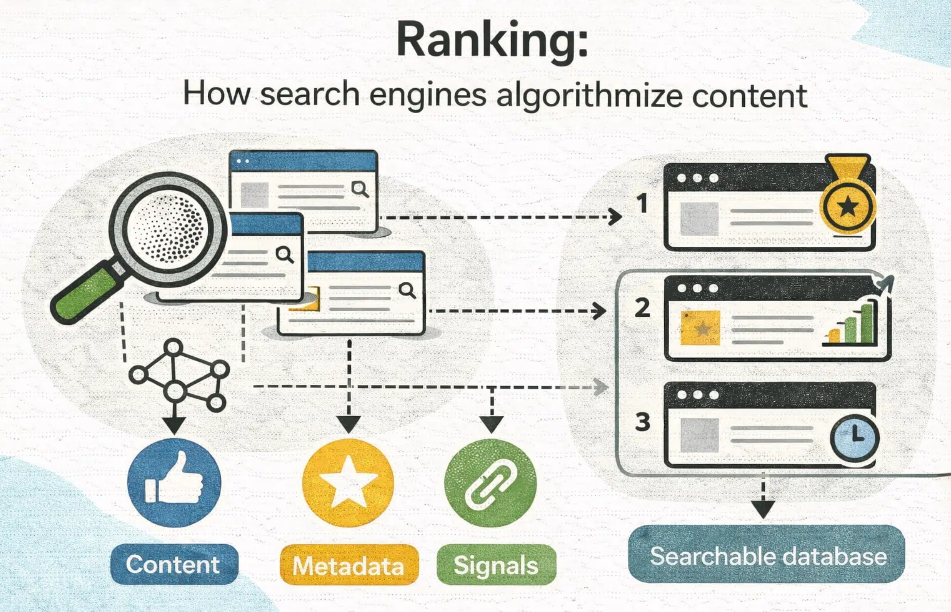
Search Engine Optimization (SEO) is the backbone of digital marketing success. In today’s competitive online landscape, simply having a website is not enough—you need to ensure that your website ranks high on search engine results pages (SERPs). Higher rankings lead to increased visibility, more traffic, and ultimately greater revenue.
Mastering SEO is not a one-time task; it is an ongoing process that involves understanding search engine algorithms, optimizing your content, and continuously improving your strategies. In this comprehensive guide, you will learn how to master SEO in digital marketing and achieve better rankings effectively.
What is SEO in Digital Marketing?
SEO is the practice of optimizing your website and content to improve its visibility in organic (non-paid) search engine results. It involves a combination of technical, on-page, and off-page strategies that help search engines understand your content and rank it accordingly.
The primary goal of SEO is to drive targeted traffic to your website. Unlike paid advertising, SEO focuses on long-term growth and sustainable results.
Why SEO is Important for Better Rankings
SEO plays a crucial role in digital marketing for several reasons:
1. Increased Organic Traffic
Ranking higher in search results means more people will find and visit your website without paying for ads.
2. Builds Credibility and Trust
Websites that appear on the first page of search engines are often perceived as more trustworthy and authoritative.
3. Cost-Effective Marketing Strategy
SEO requires time and effort, but it is more cost-effective compared to paid advertising in the long run.
4. Better User Experience
SEO involves improving site structure, speed, and content quality, which enhances user experience.
5. Higher Conversion Rates
Targeted traffic from search engines often results in better conversions because users are actively searching for your products or services.
Key Components of SEO
To master SEO, you must understand its three main components:
1. On-Page SEO
This includes optimizing elements within your website such as content, keywords, meta tags, headings, and internal links.
2. Off-Page SEO
Off-page SEO focuses on external factors like backlinks, social signals, and brand mentions.
3. Technical SEO
Technical SEO ensures that your website is easy for search engines to crawl and index. It includes site speed, mobile-friendliness, and structured data.
Keyword Research: The Foundation of SEO
Keyword research is the first and most important step in SEO.
How to Perform Keyword Research
- Identify your niche and target audience
- Use keyword research tools
- Focus on long-tail keywords
- Analyze search intent
- Study competitors
Types of Keywords
- Short-tail keywords (e.g., “SEO tips”)
- Long-tail keywords (e.g., “how to master SEO in digital marketing”)
- Transactional keywords (e.g., “buy SEO tools”)
- Informational keywords (e.g., “what is SEO”)
Tips for Effective Keyword Research
- Target low-competition, high-volume keywords
- Use variations and synonyms
- Focus on user intent rather than just search volume
On-Page SEO Optimization
On-page SEO is critical for improving rankings.
1. Optimize Title Tags
Your title tag should:
- Include the main keyword
- Be under 60 characters
- Be engaging and clickable
2. Write High-Quality Content
Content is king in SEO. Ensure your content:
- Is original and valuable
- Solves user problems
- Includes relevant keywords naturally
3. Use Proper Heading Structure
Use headings (H1, H2, H3) to organize your content:
- H1 for the main title
- H2 for sections
- H3 for subsections
4. Optimize Meta Descriptions
A good meta description:
- Includes keywords
- Is under 160 characters
- Encourages users to click
5. Internal Linking
Link to other relevant pages on your website to:
- Improve navigation
- Increase time on site
- Distribute link authority
6. Image Optimization
- Use descriptive file names
- Add alt text
- Compress images for faster loading
Technical SEO Essentials
Technical SEO ensures that your website performs well and is accessible to search engines.
1. Website Speed
Fast-loading websites rank higher. Improve speed by:
- Using caching
- Optimizing images
- Minimizing code
2. Mobile Optimization
Ensure your website is mobile-friendly since most users access the internet via mobile devices.
3. Secure Website (HTTPS)
Google prioritizes secure websites. Install an SSL certificate to protect user data.
4. XML Sitemap
Submit an XML sitemap to help search engines crawl your site efficiently.
5. Fix Broken Links
Broken links negatively impact user experience and SEO.
Off-Page SEO Strategies
Off-page SEO builds your website’s authority and credibility.
1. Link Building
Backlinks are one of the most important ranking factors.
Effective Link Building Techniques:
- Guest blogging
- Content outreach
- Broken link building
- Influencer collaborations
2. Social Media Marketing
Sharing content on social platforms increases visibility and traffic.
3. Brand Mentions
Even without links, mentions of your brand can improve SEO.
4. Online Directories
Submit your website to relevant directories for additional exposure.
Content Marketing and SEO
Content marketing and SEO go hand in hand.
Types of SEO Content
- Blog posts
- Guides and tutorials
- Infographics
- Videos
- Case studies
Content Optimization Tips
- Use keywords naturally
- Update old content regularly
- Add multimedia elements
- Focus on readability
Understanding Search Intent
Search intent is the reason behind a user’s query.
Types of Search Intent
- Informational – Looking for information
- Navigational – Searching for a specific site
- Transactional – Ready to purchase
- Commercial – Comparing options
How to Optimize for Search Intent
- Analyze top-ranking pages
- Match content type and format
- Provide clear answers
Local SEO Optimization
If you have a local business, local SEO is essential.
Key Local SEO Strategies
- Optimize Google Business Profile
- Use local keywords
- Get customer reviews
- Build local citations
SEO Tools to Boost Your Strategy
Using the right tools can simplify SEO efforts.
Popular SEO Tools
- Keyword research tools
- Analytics tools
- Backlink analysis tools
- Site audit tools
These tools help track performance, identify issues, and improve strategies.
Measuring SEO Performance
Tracking your SEO performance is essential for improvement.
Key Metrics to Monitor
- Organic traffic
- Keyword rankings
- Bounce rate
- Conversion rate
- Backlinks
Use Analytics Tools
Regularly analyze your data to understand what works and what needs improvement.
Common SEO Mistakes to Avoid
Avoid these common mistakes:
- Keyword stuffing
- Duplicate content
- Ignoring mobile optimization
- Slow website speed
- Poor quality backlinks
Advanced SEO Strategies
Once you master the basics, move to advanced techniques.
1. Schema Markup
Structured data helps search engines understand your content better.
2. Voice Search Optimization
Optimize for conversational queries and long-tail keywords.
3. Featured Snippets
Aim to appear in position zero by:
- Answering questions clearly
- Using bullet points and lists
4. AI and SEO
Leverage AI tools for:
- Content creation
- Keyword research
- Data analysis
The Future of SEO in Digital Marketing
SEO continues to evolve with changes in technology and user behavior.
Trends to Watch
- AI-driven search algorithms
- Voice and visual search
- Mobile-first indexing
- User experience (UX) as a ranking factor
Staying updated with these trends will help you maintain strong rankings.
Step-by-Step SEO Strategy for Beginners
- Conduct keyword research
- Create high-quality content
- Optimize on-page elements
- Improve technical SEO
- Build backlinks
- Monitor performance
- Update and refine strategy
Conclusion
Mastering SEO in digital marketing is essential for achieving better rankings and long-term success. By understanding the fundamentals—keyword research, on-page optimization, technical SEO, and off-page strategies—you can create a powerful SEO strategy that drives consistent traffic and growth.
Remember, SEO is not a one-time effort. It requires continuous learning, testing, and adaptation. Focus on providing value to your audience, optimizing your website, and staying updated with the latest trends.
If you apply the strategies outlined in this guide, you will be well on your way to mastering SEO and dominating search engine rankings.