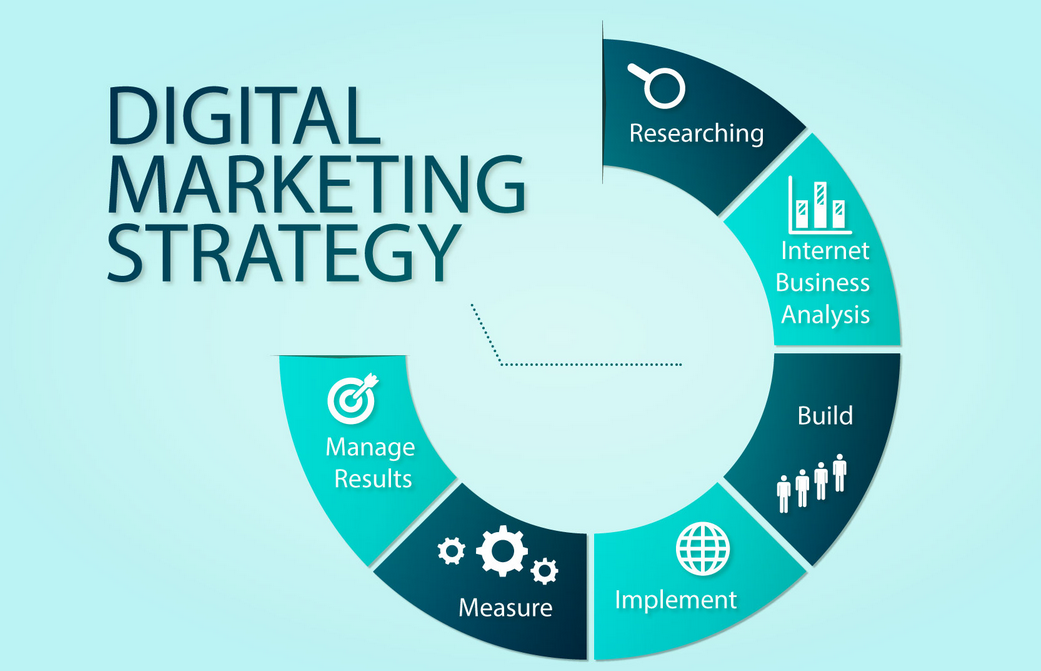
In today’s fast-evolving digital landscape, businesses must go beyond traditional advertising to capture attention, build trust, and drive conversions. One of the most powerful approaches to achieving these goals is content marketing. By delivering valuable, relevant, and consistent content, brands can attract and retain a clearly defined audience—and ultimately, drive profitable customer action.
This comprehensive guide explores proven content marketing strategies that can help you achieve digital marketing success, boost your search engine rankings, and maximize your return on investment.
What is Content Marketing?
Content marketing is a strategic approach focused on creating and distributing valuable content to attract, engage, and convert a target audience. Unlike direct advertising, it emphasizes providing useful information rather than promoting products aggressively.
Examples of content marketing include:
- Blog articles
- Videos
- Infographics
- Podcasts
- Social media posts
- Email newsletters
The goal is simple: educate, inform, or entertain your audience while subtly guiding them toward your brand.
Why Content Marketing is Essential for Digital Marketing Success
Content marketing plays a crucial role in digital marketing because it supports multiple channels and objectives simultaneously.
1. Improves SEO Rankings
Search engines favor websites that consistently publish high-quality, relevant content. By targeting the right keywords and topics, your content can rank higher in search results and drive organic traffic.
2. Builds Brand Authority
When you provide valuable insights, your audience begins to see your brand as an authority in your niche.
3. Increases Engagement
Well-crafted content encourages users to spend more time on your website, interact with your brand, and share your content.
4. Generates Leads and Sales
Content can guide potential customers through the buyer’s journey—from awareness to decision-making.
5. Cost-Effective Marketing
Compared to paid advertising, content marketing offers long-term value and higher ROI over time.
Understanding Your Target Audience
Before creating content, you must understand who your audience is.
Create Buyer Personas
A buyer persona is a semi-fictional representation of your ideal customer based on data and research. Include details such as:
- Age
- Gender
- Occupation
- Interests
- Pain points
- Buying behavior
Conduct Audience Research
Use tools like surveys, social media insights, and analytics to understand what your audience wants and needs.
Identify Content Preferences
Some audiences prefer videos, while others prefer blog posts or podcasts. Tailor your content format accordingly.
Keyword Research and SEO Optimization
To succeed in content marketing, you must align your content with search intent.
Find the Right Keywords
Use keyword research tools to identify:
- High search volume keywords
- Low competition keywords
- Long-tail keywords
Focus on Search Intent
Understand why users are searching for a keyword:
- Informational (learning something)
- Navigational (finding a specific site)
- Transactional (ready to buy)
Optimize On-Page SEO
Include your keywords in:
- Title
- Headings
- Meta description
- URL
- Image alt text
Creating High-Quality Content
Quality is the backbone of content marketing success.
Characteristics of High-Quality Content
- Informative and valuable
- Well-structured and easy to read
- Original and unique
- Engaging and relevant
- Optimized for SEO
Use Engaging Headlines
Your headline is the first thing users see. Make it compelling and keyword-rich.
Focus on Readability
Use short paragraphs, bullet points, and subheadings to improve readability.
Add Visual Elements
Images, videos, and infographics can enhance user experience and increase engagement.
Content Types That Drive Results
Diversifying your content strategy can help you reach a wider audience.
1. Blog Posts
Blogging is one of the most effective ways to drive organic traffic and improve SEO.
2. Video Content
Videos are highly engaging and can explain complex topics easily.
3. Infographics
Infographics simplify information and are highly shareable.
4. Case Studies
Show real-life examples of how your product or service has helped customers.
5. E-books and Guides
Provide in-depth information and can be used for lead generation.
6. Social Media Content
Short-form content for platforms like Instagram, Facebook, and LinkedIn.
Developing a Content Strategy
A well-planned strategy ensures consistency and effectiveness.
Set Clear Goals
Define what you want to achieve:
- Increase website traffic
- Generate leads
- Boost sales
- Build brand awareness
Create a Content Calendar
Plan your content in advance to maintain consistency.
Align Content with Buyer Journey
- Awareness stage: Educational content
- Consideration stage: Comparison and analysis
- Decision stage: Product-focused content
Content Distribution Channels
Creating great content is not enough—you must distribute it effectively.
1. Search Engines
Optimize your content for SEO to attract organic traffic.
2. Social Media
Share your content across relevant platforms.
3. Email Marketing
Send newsletters and updates to your subscribers.
4. Paid Advertising
Promote your content through PPC campaigns.
5. Influencer Marketing
Collaborate with influencers to reach a larger audience.
Leveraging Social Media for Content Marketing
Social media is a powerful tool for amplifying your content.
Choose the Right Platforms
Focus on platforms where your audience is most active.
Engage with Your Audience
Respond to comments, messages, and feedback.
Use Hashtags Strategically
Increase visibility by using relevant hashtags.
Post Consistently
Maintain a regular posting schedule.
Measuring Content Marketing Performance
Tracking your performance helps you refine your strategy.
Key Metrics to Monitor
- Website traffic
- Bounce rate
- Time on page
- Conversion rate
- Social shares
Use Analytics Tools
Tools like Google Analytics can provide valuable insights.
A/B Testing
Test different content formats, headlines, and CTAs to see what works best.
Content Repurposing Strategies
Maximize your content’s value by repurposing it.
Examples of Repurposing
- Turn blog posts into videos
- Convert articles into infographics
- Break long content into social media posts
- Create podcasts from written content
This approach saves time and increases reach.
Personalization and User Experience
Personalized content improves engagement and conversions.
Use Data to Personalize Content
Analyze user behavior to deliver relevant content.
Improve Website Experience
Ensure fast loading speed and mobile optimization.
Use Interactive Content
Quizzes, polls, and calculators can boost engagement.
Common Content Marketing Mistakes to Avoid
Avoid these pitfalls to ensure success:
1. Ignoring SEO
Without optimization, your content may never reach your audience.
2. Inconsistent Posting
Irregular content can reduce audience trust.
3. Focusing Only on Promotion
Provide value instead of constantly selling.
4. Neglecting Analytics
Without data, you cannot improve your strategy.
Advanced Content Marketing Strategies
For those looking to scale their efforts:
1. Topic Clusters
Create pillar content and link related articles to improve SEO.
2. User-Generated Content
Encourage customers to create content about your brand.
3. Content Automation
Use tools to schedule and manage content efficiently.
4. Voice Search Optimization
Optimize for voice queries as smart devices become more popular.
Future Trends in Content Marketing
Stay ahead by adapting to emerging trends:
1. AI-Generated Content
AI tools can help create content faster and more efficiently.
2. Video Dominance
Short-form videos are becoming increasingly popular.
3. Interactive Content
Engaging formats will continue to grow.
4. Personalization at Scale
Advanced data analytics will enable more precise targeting.
Conclusion
Content marketing is a cornerstone of digital marketing success. By creating valuable, relevant, and engaging content, businesses can attract their target audience, build trust, and drive conversions.
To succeed, focus on understanding your audience, optimizing for SEO, creating high-quality content, and distributing it effectively. Continuously analyze your performance and adapt your strategy to stay ahead in the competitive digital landscape.
By implementing these content marketing strategies, you can establish a strong online presence, improve your search rankings, and achieve long-term business growth.