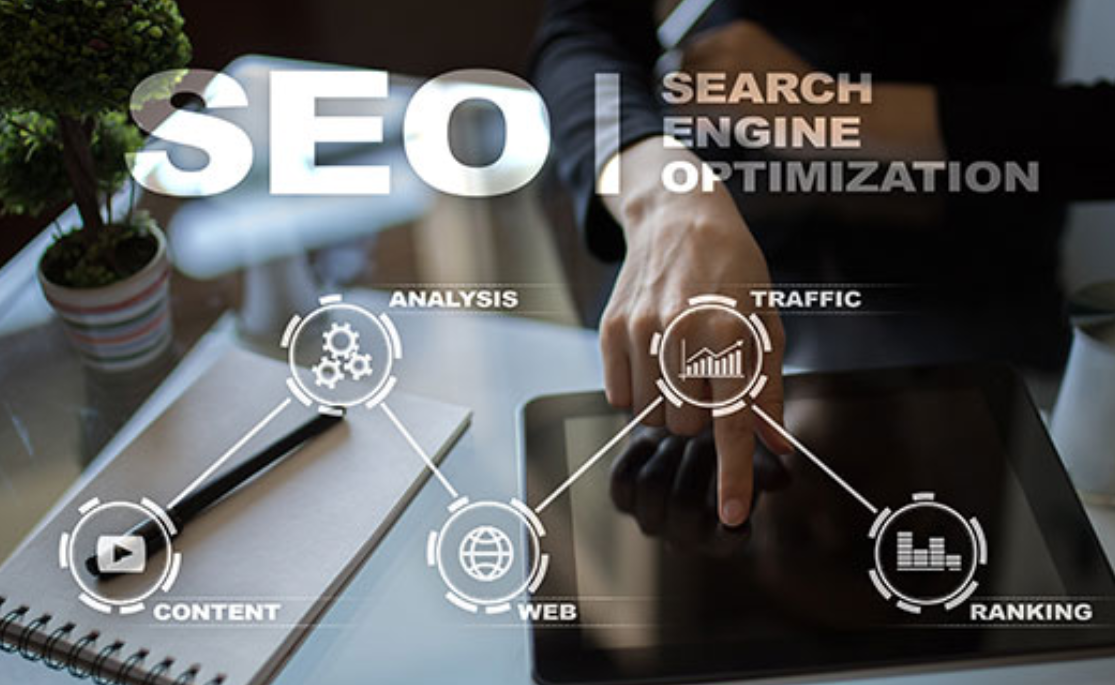
In today’s digital landscape, your website is more than just an online presence—it is the core engine that drives your online marketing success. Whether you are running paid campaigns, building organic traffic, or monetizing through ads like AdSense, a well-optimized website determines whether visitors convert into customers or bounce away.
This comprehensive guide will walk you through proven strategies to optimize your website for maximum performance, higher conversions, and sustainable growth.
1. Understanding Website Optimization for Marketing
Website optimization refers to the process of improving your site’s performance, usability, and visibility to achieve specific business goals. These goals typically include:
- Increasing traffic
- Improving user engagement
- Boosting conversion rates
- Enhancing revenue
Optimization is not a one-time task—it is a continuous process that combines technical improvements, content strategy, and user experience enhancements.
2. Build a Strong Foundation with Fast Loading Speed
Why Speed Matters
Website speed is one of the most critical factors in online marketing. A slow-loading website leads to:
- Higher bounce rates
- Lower search engine rankings
- Poor user experience
Research shows that users expect a website to load in under 3 seconds. Anything beyond that significantly reduces conversions.
How to Improve Speed
- Use lightweight themes and minimal plugins
- Compress images without losing quality
- Enable browser caching
- Use a Content Delivery Network (CDN)
- Optimize CSS, JavaScript, and HTML
A fast website not only improves user satisfaction but also increases your chances of ranking higher in search engines.
3. Mobile Optimization is Non-Negotiable
Mobile-First Approach
More than half of global internet traffic comes from mobile devices. If your website is not optimized for mobile users, you are losing a massive portion of your audience.
Best Practices
- Use responsive design
- Ensure buttons are easy to tap
- Optimize images for smaller screens
- Avoid intrusive pop-ups
- Improve mobile loading speed
Search engines prioritize mobile-friendly websites, making this a key factor for SEO and marketing success.
4. Optimize Website Structure and Navigation
Clear Navigation Improves Engagement
A well-structured website helps users find information quickly and easily. Poor navigation frustrates users and increases bounce rates.
Tips for Better Structure
- Use a simple and clean menu
- Limit menu items to essential pages
- Use clear categories and subcategories
- Add breadcrumbs for easy navigation
- Ensure internal linking is logical
A good structure also helps search engines crawl and index your website more effectively.
5. High-Quality Content is the Core of Success
Content Drives Traffic and Conversions
Content is the backbone of online marketing. Without valuable content, your optimization efforts will not deliver results.
Content Optimization Tips
- Focus on solving user problems
- Use clear and engaging headlines
- Include relevant keywords naturally
- Break content into short paragraphs
- Use bullet points and subheadings
Types of Content to Create
- Blog posts
- Guides and tutorials
- Case studies
- Product reviews
- Videos and infographics
Consistently publishing high-quality content builds authority and trust with your audience.
6. Keyword Optimization for Better Visibility
Understanding Keywords
Keywords are the terms users type into search engines. Targeting the right keywords helps your website appear in search results.
Keyword Strategy
- Use long-tail keywords for less competition
- Focus on user intent (informational, transactional)
- Place keywords in titles, headings, and meta descriptions
- Avoid keyword stuffing
Tools for Keyword Research
- Google Keyword Planner
- Ubersuggest
- Ahrefs
- SEMrush
Proper keyword optimization ensures your content reaches the right audience.
7. On-Page SEO Optimization
On-page SEO involves optimizing individual pages to rank higher in search engines.
Key Elements
- Title tags (include primary keyword)
- Meta descriptions (compelling and relevant)
- Header tags (H1, H2, H3)
- URL structure (short and clean)
- Image alt text
Example
Bad URL:
Good URL:
On-page SEO helps search engines understand your content and improves your chances of ranking higher.
8. Improve User Experience (UX)
Why UX Matters
User experience directly impacts how visitors interact with your website. A good UX leads to:
- Longer session duration
- Higher engagement
- Better conversion rates
UX Optimization Tips
- Use clean and modern design
- Maintain consistent branding
- Ensure readability (font size, spacing)
- Add clear call-to-action (CTA) buttons
- Reduce clutter
A seamless user experience keeps visitors engaged and encourages them to take action.
9. Conversion Rate Optimization (CRO)
Turning Visitors into Customers
Traffic alone is not enough—you need conversions. CRO focuses on improving the percentage of visitors who take desired actions.
Key Strategies
- Use strong and clear CTAs
- Create landing pages for campaigns
- Use persuasive copywriting
- Add testimonials and social proof
- Optimize forms (keep them short)
A/B Testing
Test different elements such as:
- Headlines
- Button colors
- Layouts
- Images
This helps identify what works best for your audience.
10. Optimize for Search Engines (Technical SEO)
Technical SEO Basics
Technical SEO ensures your website is easy to crawl and index by search engines.
Important Factors
- XML sitemap
- Robots.txt file
- Secure website (HTTPS)
- Fix broken links
- Improve Core Web Vitals
Structured Data
Adding structured data helps search engines display rich results like:
- Star ratings
- FAQs
- Product details
This improves click-through rates and visibility.
11. Leverage Analytics and Data
Data-Driven Decisions
Tracking performance is essential to understand what works and what doesn’t.
Tools to Use
- Google Analytics
- Google Search Console
- Heatmaps (e.g., Hotjar)
Key Metrics to Monitor
- Traffic sources
- Bounce rate
- Conversion rate
- Average session duration
Analyzing data helps you refine your strategy and improve results over time.
12. Optimize for Paid Advertising Campaigns
Landing Page Optimization
If you run paid ads (Google Ads, Facebook Ads), your landing page must be optimized for conversions.
Key Elements
- Fast loading speed
- Clear headline matching the ad
- Strong CTA
- Minimal distractions
- Trust signals
Ad Relevance
Ensure your landing page content aligns with your ad copy to improve quality score and reduce cost-per-click (CPC).
13. Improve Website Security
Why Security Matters
A secure website builds trust and protects user data.
Security Best Practices
- Install SSL certificate (HTTPS)
- Use strong passwords
- Update plugins and software regularly
- Use security plugins or firewalls
Search engines also prioritize secure websites in rankings.
14. Use Internal and External Linking
Internal Linking
- Helps users navigate your website
- Improves SEO by distributing link equity
External Linking
- Links to authoritative sources
- Builds credibility
Linking strategically enhances both user experience and search visibility.
15. Optimize Images and Media
Image Optimization Tips
- Use compressed images
- Add descriptive file names
- Include alt text
- Use modern formats (WebP)
Video Optimization
- Host videos on platforms like YouTube
- Embed videos instead of uploading directly
- Optimize titles and descriptions
Optimized media improves performance and engagement.
16. Focus on Local SEO (If Applicable)
If your business targets a specific location, local SEO is essential.
Local Optimization Tips
- Create a Google Business profile
- Use location-based keywords
- Add your address and contact details
- Encourage customer reviews
This helps you attract local customers and improve visibility in local searches.
17. Build Backlinks for Authority
What Are Backlinks?
Backlinks are links from other websites pointing to your site. They are a major ranking factor.
How to Get Backlinks
- Guest blogging
- Creating shareable content
- Outreach to bloggers
- Directory submissions
Quality backlinks increase your website’s authority and search rankings.
18. Optimize for AdSense and Monetization
If your goal is to earn through ads, optimization is crucial.
Ad Placement Tips
- Place ads above the fold
- Use in-content ads
- Avoid excessive ads
- Maintain good user experience
Balance is Key
Too many ads can hurt user experience and reduce long-term earnings. Focus on strategic placement.
19. Continuous Testing and Improvement
Website optimization is not a one-time process.
What to Continuously Improve
- Page speed
- Content quality
- Conversion rates
- SEO performance
Stay Updated
Digital marketing trends change rapidly. Keep learning and adapting to stay ahead of competitors.
20. Common Mistakes to Avoid
- Ignoring mobile users
- Overloading with ads
- Poor navigation
- Slow website speed
- Keyword stuffing
- Lack of clear CTA
Avoiding these mistakes can significantly improve your results.
Conclusion
Optimizing your website for online marketing success requires a holistic approach. From technical SEO and content creation to user experience and conversion optimization, every element plays a crucial role.
By implementing the strategies outlined in this guide, you can:
- Increase traffic
- Improve engagement
- Boost conversions
- Maximize revenue
Remember, success in online marketing is not about quick wins—it is about consistent improvement and long-term strategy. Focus on delivering value to your audience, and the results will follow.