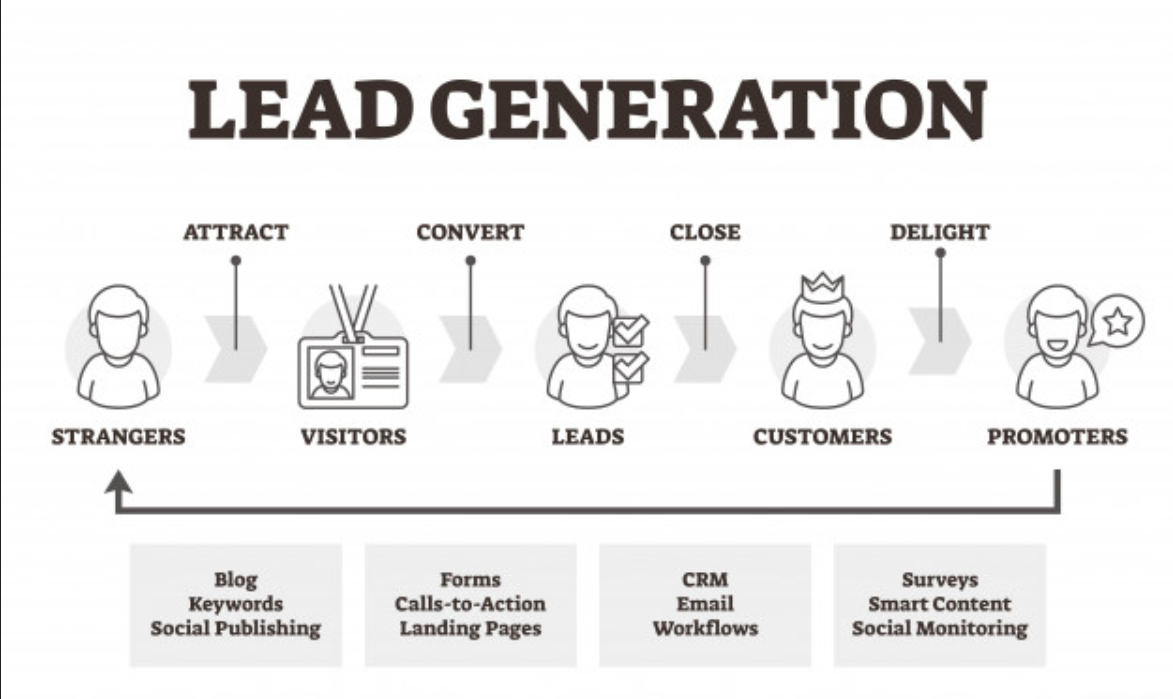
Generating high-quality leads is the lifeblood of any successful business. In today’s digital-first world, online marketing has become the most powerful and cost-effective way to attract, engage, and convert potential customers. However, with increasing competition and constantly evolving algorithms, simply having an online presence is not enough. You need a strategic, data-driven approach to generate leads effectively.
This comprehensive guide will walk you through proven online marketing strategies, tools, and techniques to help you consistently generate leads and grow your business.
What Is Lead Generation in Online Marketing?
Lead generation is the process of attracting and converting strangers into potential customers who have shown interest in your product or service. In online marketing, this typically involves capturing user information such as email addresses, phone numbers, or other contact details through digital channels.
Leads can be categorized into:
- Cold Leads – People who have little to no knowledge of your brand
- Warm Leads – Individuals who have interacted with your content
- Hot Leads – Prospects ready to make a purchase
The goal of online marketing is to move leads through the funnel—from awareness to consideration, and finally to conversion.
Why Online Marketing Is Essential for Lead Generation
Online marketing offers several advantages over traditional methods:
1. Cost-Effectiveness
Digital campaigns are often more affordable and scalable compared to offline marketing like TV or print ads.
2. Targeted Audience Reach
You can precisely target audiences based on demographics, interests, behavior, and location.
3. Measurable Results
Analytics tools allow you to track performance and optimize campaigns in real time.
4. Automation Opportunities
You can automate email campaigns, retargeting ads, and lead nurturing workflows.
Step-by-Step Strategy to Generate Leads Effectively
1. Define Your Target Audience
Before launching any campaign, you must clearly define your ideal customer.
Create buyer personas based on:
- Age, gender, and location
- Interests and online behavior
- Pain points and goals
Understanding your audience ensures your marketing efforts are relevant and effective.
2. Build a High-Converting Website
Your website is the foundation of your online marketing strategy.
Key elements of a lead-generating website:
- Clear Value Proposition
- Fast Loading Speed
- Mobile Optimization
- User-Friendly Navigation
- Strong Call-to-Action (CTA)
Examples of effective CTAs:
- “Download Free Guide”
- “Get Started Today”
- “Claim Your Free Trial”
3. Use Landing Pages for Lead Capture
Landing pages are designed specifically to convert visitors into leads.
Best practices:
- Focus on one goal per page
- Use compelling headlines
- Include trust signals (testimonials, reviews)
- Keep forms simple (name + email is often enough)
A well-optimized landing page can significantly increase your conversion rate.
4. Leverage Content Marketing
Content marketing is one of the most powerful ways to generate leads organically.
Types of content that work:
- Blog posts
- E-books
- Case studies
- Videos
- Infographics
Tips:
- Solve real problems
- Use SEO strategies
- Include lead magnets (free downloads)
Content builds trust and positions your brand as an authority.
5. Implement SEO (Search Engine Optimization)
SEO helps your content rank higher on search engines, driving organic traffic.
Key SEO strategies:
- Keyword research
- On-page optimization (titles, meta descriptions, headings)
- High-quality backlinks
- Technical SEO (site speed, mobile usability)
Ranking on the first page of search results can dramatically increase your lead flow.
6. Utilize Social Media Marketing
Social media platforms are excellent for engaging with potential leads.
Effective strategies:
- Share valuable content regularly
- Use engaging visuals and videos
- Run targeted ads
- Interact with followers
Platforms like Facebook, Instagram, LinkedIn, and TikTok offer advanced targeting options to reach your ideal audience.
7. Run Paid Advertising Campaigns
Paid ads can generate leads quickly when done correctly.
Popular platforms:
- Google Ads
- Facebook Ads
- Instagram Ads
- LinkedIn Ads
Tips for success:
- Use compelling ad copy
- Target the right audience
- Test different creatives (A/B testing)
- Optimize for conversions
Paid ads are especially effective for scaling lead generation.
8. Offer Lead Magnets
A lead magnet is a free resource offered in exchange for contact information.
Examples:
- Free e-books
- Checklists
- Templates
- Webinars
- Free trials
The key is to provide high value that solves a specific problem.
9. Use Email Marketing for Lead Nurturing
Once you capture leads, you need to nurture them.
Email marketing strategies:
- Send welcome emails
- Provide valuable content
- Share offers and promotions
- Use personalized messaging
Automation tools can help you send the right message at the right time.
10. Implement Marketing Automation
Marketing automation tools streamline your lead generation process.
Benefits:
- Saves time
- Improves efficiency
- Enhances personalization
- Increases conversion rates
You can automate:
- Email sequences
- Lead scoring
- Follow-ups
Advanced Techniques for Better Lead Generation
1. Retargeting Campaigns
Retargeting allows you to reach users who have already visited your website.
These users are more likely to convert because they are already familiar with your brand.
2. Use Chatbots and Live Chat
Chatbots can engage visitors in real time and capture leads instantly.
Benefits:
- 24/7 availability
- Instant responses
- Improved user experience
3. Host Webinars and Live Events
Webinars are highly effective for generating qualified leads.
Why they work:
- Provide value
- Build authority
- Encourage interaction
4. Leverage Influencer Marketing
Collaborating with influencers can help you reach a wider audience.
Choose influencers who align with your niche and audience.
Common Mistakes to Avoid
1. Ignoring Mobile Users
Most users access content via mobile devices. Ensure your website is mobile-friendly.
2. Weak Call-to-Actions
A weak CTA can reduce conversions significantly.
3. Not Tracking Data
Without analytics, you cannot improve your campaigns.
4. Poor Audience Targeting
Targeting the wrong audience wastes time and money.
Tools to Help You Generate Leads
Here are some essential tools:
1. CRM Software
Helps manage and track leads.
2. Email Marketing Tools
Used for automation and nurturing campaigns.
3. Analytics Tools
Track performance and user behavior.
4. Landing Page Builders
Create high-converting pages easily.
Measuring Lead Generation Success
To ensure your strategy is effective, track key metrics:
- Conversion rate
- Cost per lead (CPL)
- Click-through rate (CTR)
- Return on investment (ROI)
Regular analysis helps you optimize and improve results.
Future Trends in Online Lead Generation
1. AI and Machine Learning
AI will enable better targeting and personalization.
2. Voice Search Optimization
More users are using voice assistants for searches.
3. Video Marketing Growth
Video content continues to dominate engagement.
4. Privacy and Data Protection
Marketers must adapt to stricter data regulations.
Conclusion
Generating leads with online marketing effectively requires a combination of strategy, creativity, and data analysis. By understanding your audience, optimizing your website, leveraging content and SEO, and using paid advertising wisely, you can build a powerful lead generation system.
Consistency is key. Continuously test, analyze, and refine your strategies to stay ahead of the competition.
In the end, successful lead generation is not just about attracting traffic—it’s about building relationships, delivering value, and converting prospects into loyal customers.